Central Vacuum vs. Portable Vacuum: Which One Actually Belongs in Your New Home?
Choosing the right vacuum system for a new home is no longer a simple decision between brands or price points. Homeowners today are evaluating long-term performance, convenience, indoor air quality, and overall value when deciding between central vacuum systems and portable vacuum cleaners. With evolving home designs and increased focus on efficient living, this decision has become a critical part of planning a functional and comfortable household environment. Modern buyers are also considering how cleaning systems integrate with smart home features and energy efficiency goals. As expectations around home maintenance continue to rise, the role of a reliable vacuum system becomes even more significant. Making the right choice early can reduce future upgrades, minimize maintenance hassles, and enhance everyday living standards.
Both options offer distinct advantages, but the right choice depends on lifestyle, home size, maintenance expectations, and budget priorities. Central vacuum systems promise built-in convenience and powerful performance, while portable vacuums offer flexibility and lower upfront costs. Understanding how each system operates, what benefits it delivers, and where limitations exist is essential before making an investment. This guide breaks down the differences in a clear, practical way, helping homeowners make an informed decision that aligns with long-term needs rather than short-term convenience. By comparing performance, installation requirements, usability, and overall value, homeowners can better assess which option fits their space. A well-informed decision ensures not only cleaner floors but also improved efficiency and long-term satisfaction.
1. Understanding the Basics of Each System
How Central Vacuum Systems Work
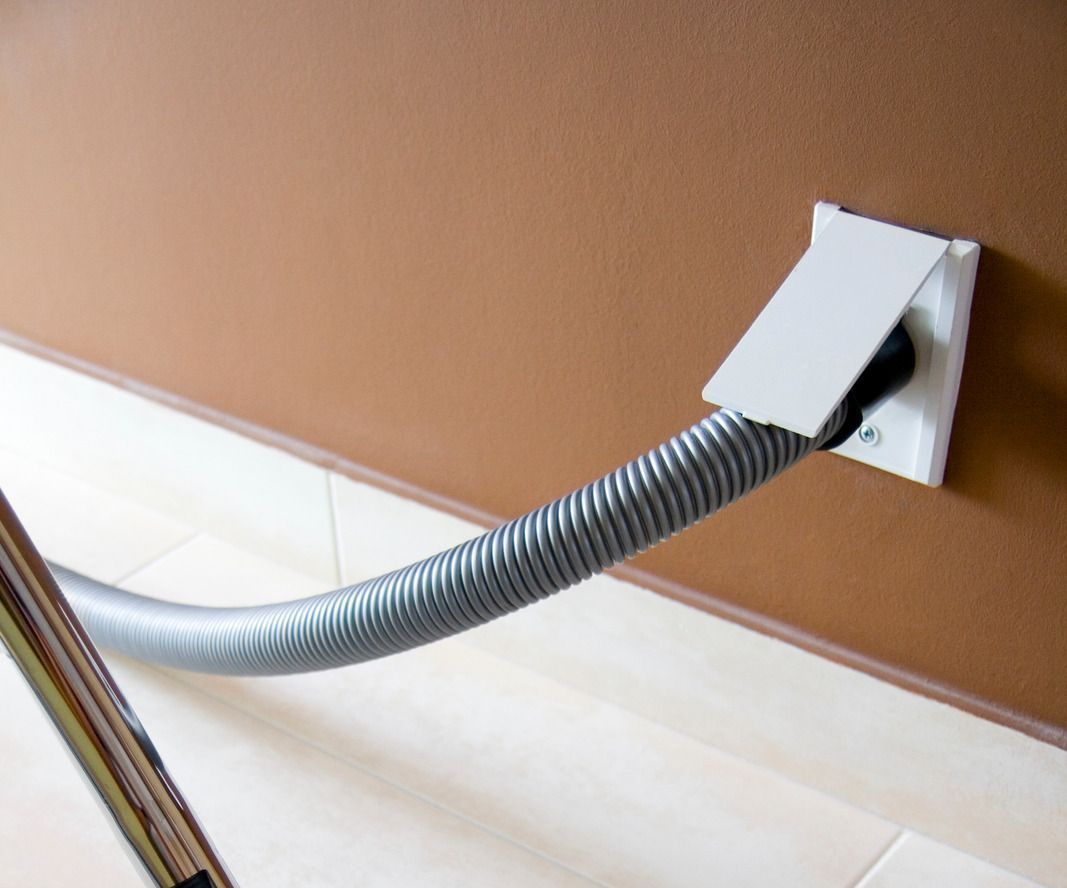
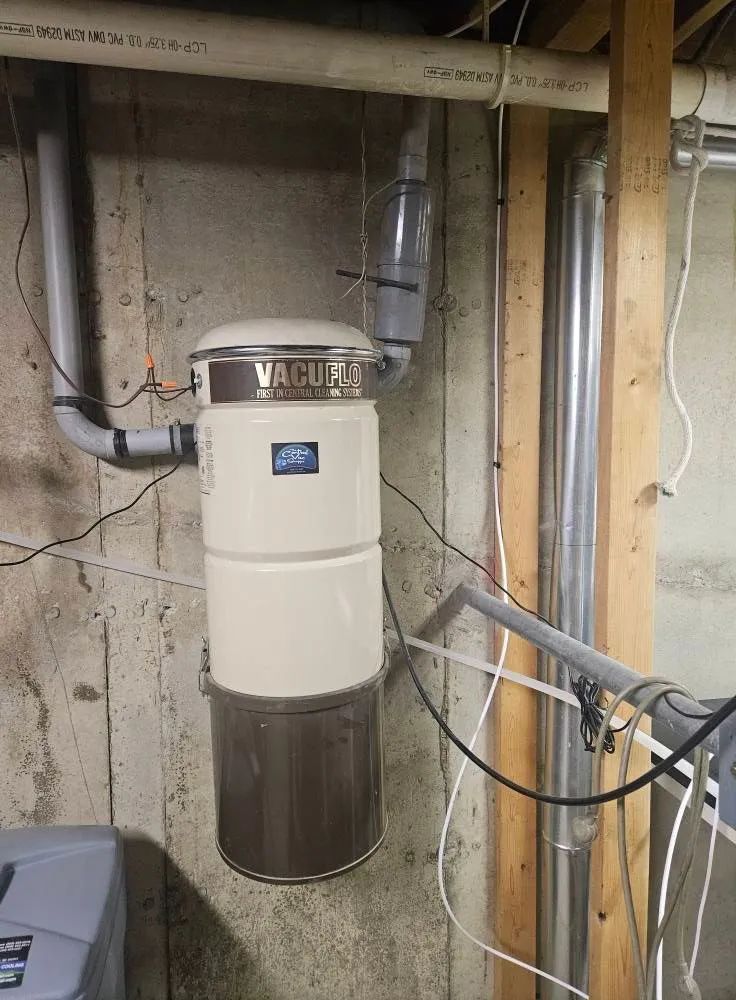
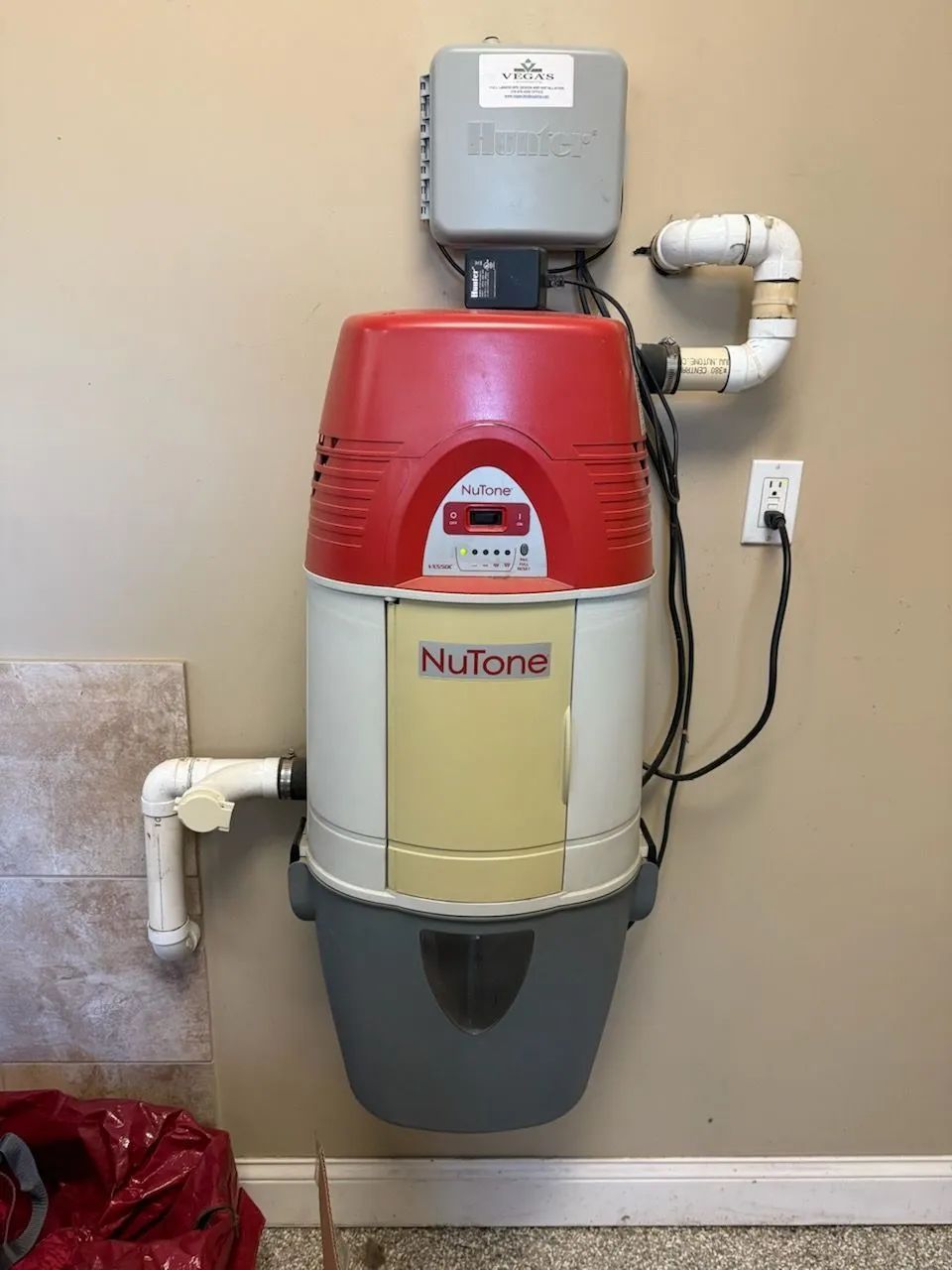
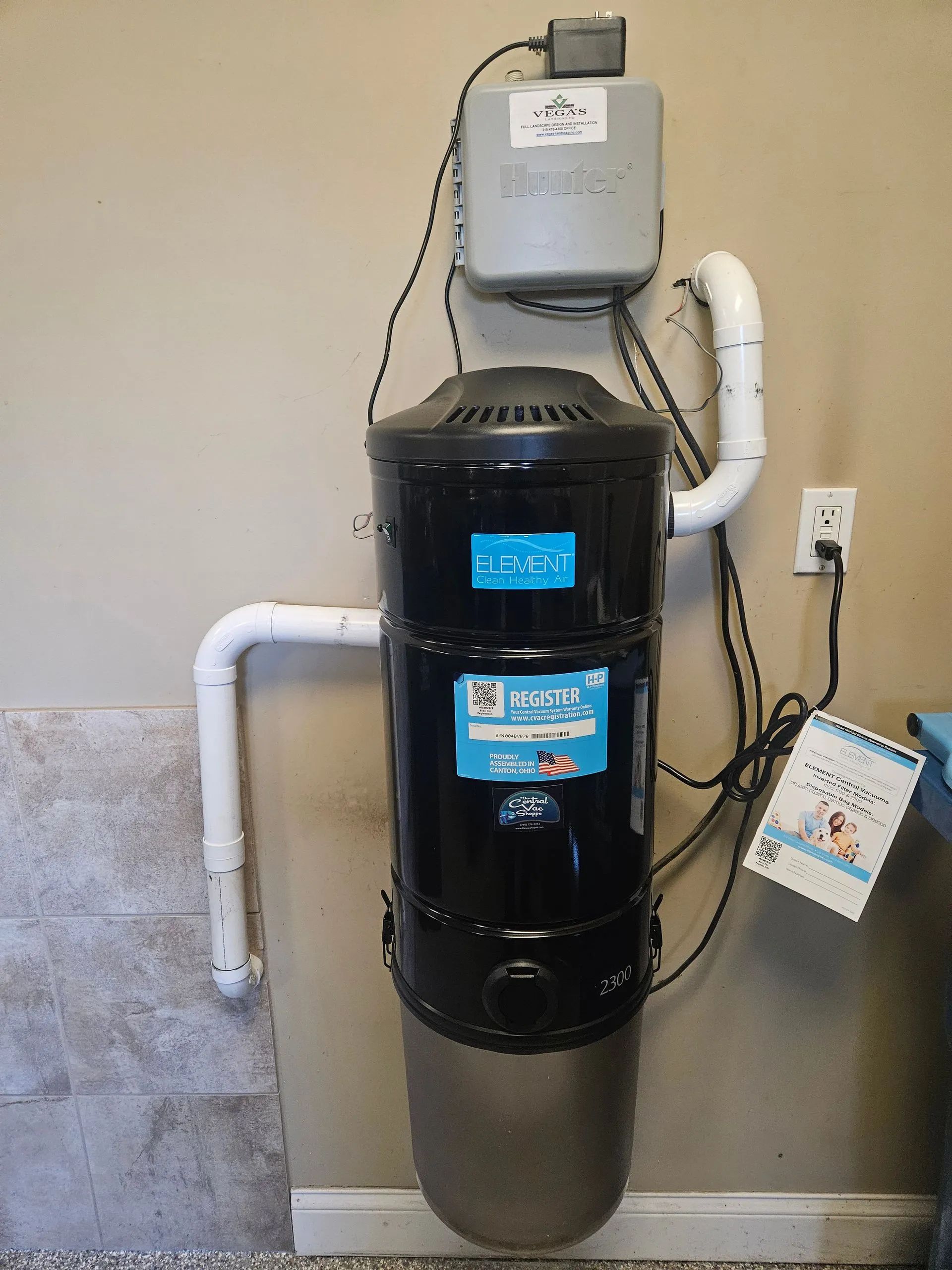
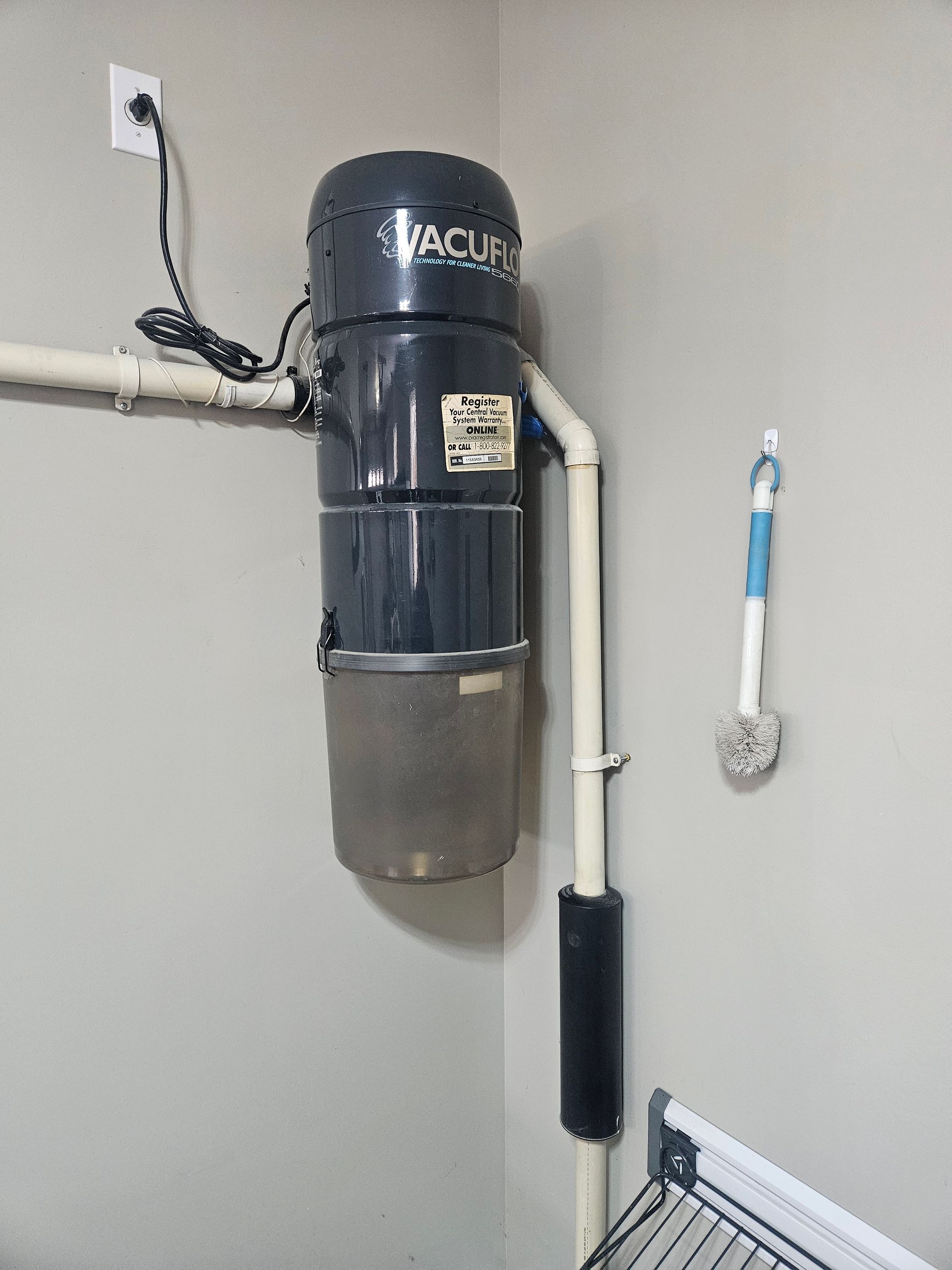
Central vacuum systems are built directly into a home’s infrastructure. A motor unit is typically installed in a garage, basement, or utility area, connected to a network of tubing running through walls. Inlets are placed strategically throughout the home, allowing users to plug in a hose and clean different areas without carrying a full machine.
The system transports dust and debris through pipes into a central collection unit, which is located away from living spaces. This design significantly reduces airborne dust recirculation and noise levels. For new construction or major renovations, installing such a system can be a seamless addition that enhances long-term usability.
How Portable Vacuum Cleaners Function
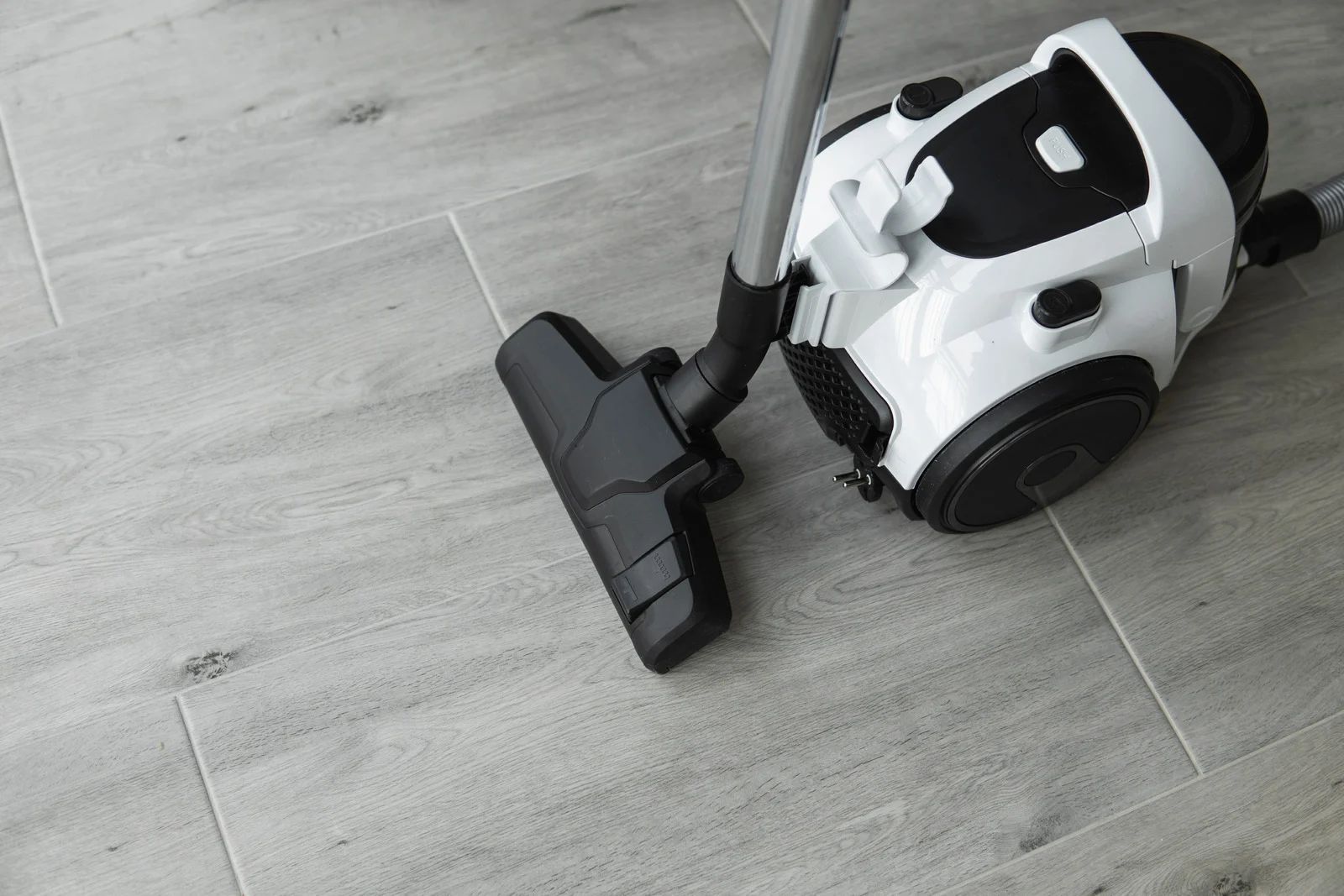
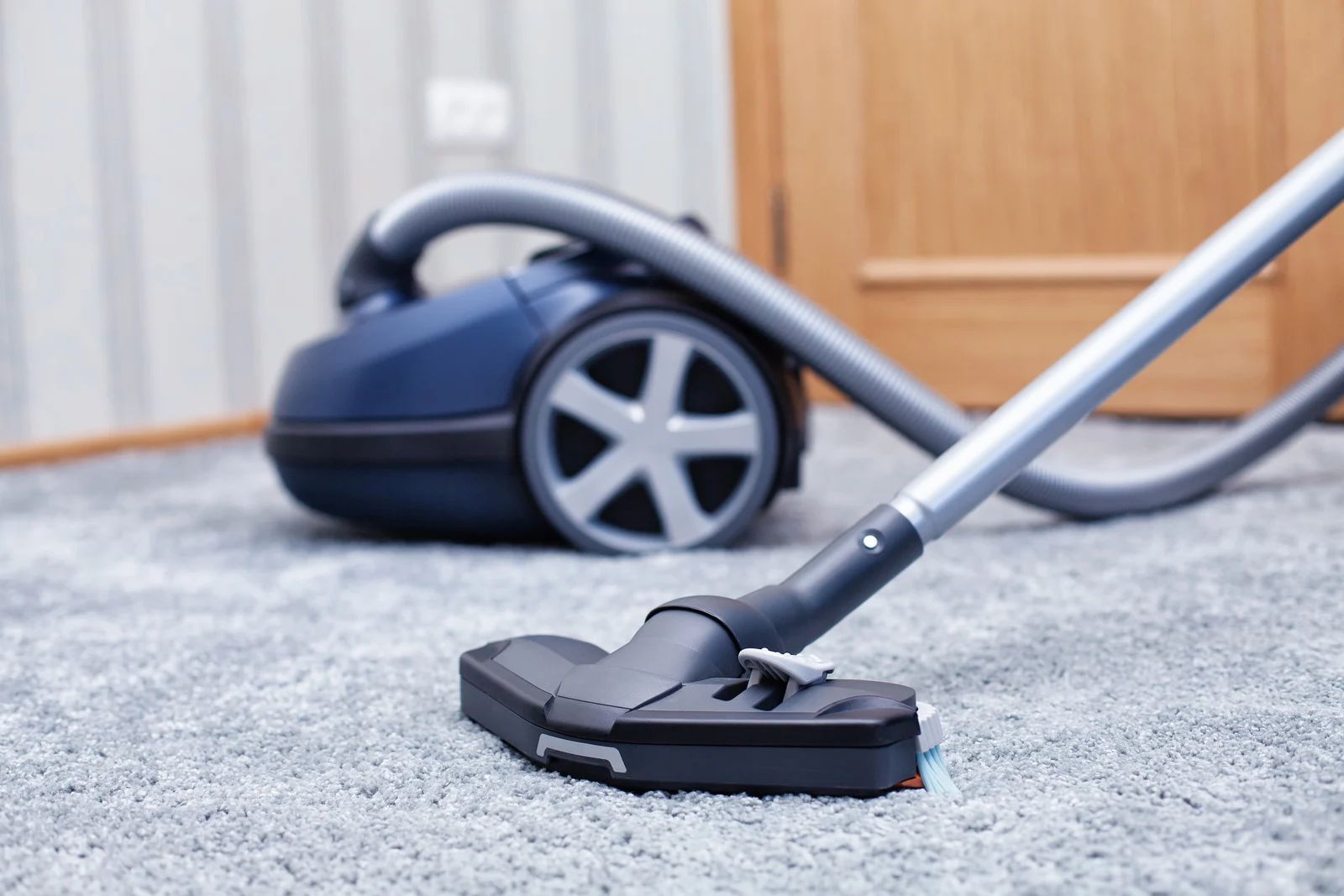
Portable vacuums are standalone units that combine suction, filtration, and dust collection in a single device. These include upright, canister, cordless, and robotic variations. The primary advantage lies in simplicity—plug in or charge, and cleaning can begin immediately.
While modern portable vacuums offer strong suction and advanced filtration, all components operate within the same unit. This means noise, dust containment, and maintenance are handled directly in the living space, which can impact user experience depending on the model quality.
2. Performance and Cleaning Efficiency
Suction Power and Coverage
Central vacuum systems are widely known for delivering stronger and more consistent suction compared to most portable vacuums. Because the motor is larger and not constrained by portability, it generates higher airflow and deeper cleaning capability. This becomes particularly noticeable in homes with thick carpets, multiple floors, or high foot traffic.
Portable vacuums, while improving in technology, still face limitations due to size and battery constraints. Corded models typically perform better than cordless ones, but even then, they may struggle to match the sustained power of a centralized system over long cleaning sessions.
Indoor Air Quality Considerations
Central vacuum systems vent exhaust away from living areas, often outside the home. This dramatically reduces the recirculation of fine dust particles, allergens, and microscopic debris. For households concerned about allergies or respiratory health, this can be a significant advantage.
Portable vacuums rely heavily on internal filters, such as HEPA systems, to trap dust. While effective, these filters require regular maintenance and replacement. Improperly maintained filters can lead to reduced performance and air quality concerns over time.
3. Installation, Cost, and Long-Term Investment
Initial Installation Requirements
Installing a central vacuum system requires planning, especially in existing homes. Retrofitting can involve opening walls, routing pipes, and installing inlet valves. In new homes, however, the process is far more efficient and cost-effective when integrated during construction.
Portable vacuums require no installation. The simplicity of purchase and immediate usability makes them appealing for homeowners who want a quick solution without structural modifications.
Cost Comparison Over Time
Central vacuum systems have a higher upfront cost, including equipment and installation. However, they tend to last significantly longer—often decades—with minimal performance decline. Maintenance costs are generally lower, as there are fewer wearable components in daily use.
Portable vacuums have a lower entry cost but may require replacement every few years, depending on usage and build quality. Battery replacements, filter changes, and wear on moving parts can add to long-term expenses, making them less economical over time in some cases.
4. Convenience and Everyday Usability
Ease of Use in Daily Cleaning
Central vacuum systems eliminate the need to carry heavy equipment between rooms or floors. With lightweight hoses and strategically placed inlets, cleaning becomes more efficient and less physically demanding. Some systems even include retractable hoses or automatic dustpans in kitchens for quick cleanups.
However, managing hoses can be less convenient in smaller spaces, and storage of long hoses must be considered. For some users, plugging and unplugging between rooms may feel less intuitive than using a portable device.
Portable vacuums offer unmatched flexibility. Lightweight cordless models are particularly convenient for quick cleanups, stairs, and tight spaces. Robotic vacuums add automation, handling routine cleaning with minimal user involvement.
Noise Levels and Comfort
Central vacuum systems are significantly quieter in living areas because the motor is located away from the cleaning zone. This allows for more comfortable cleaning, especially in households with children, pets, or shared living environments.
Portable vacuums generate noise directly where cleaning occurs. While newer models aim to reduce sound levels, they still operate within the room, which can be disruptive during extended use.
5. Maintenance, Durability, and Practical Considerations
Maintenance Requirements
Central vacuum systems generally require less frequent maintenance. Emptying the collection container and occasional inspection of hoses and inlets are typically sufficient. Because the motor unit is stationary, it experiences less physical stress compared to portable units.
Portable vacuums demand more regular upkeep. Filters must be cleaned or replaced, dust bins emptied frequently, and moving parts inspected. Cordless models also require battery care, which can degrade over time and impact performance.
Longevity and Reliability
Central vacuum systems are built for long-term use, often lasting 15–25 years or more with proper care. Their durability makes them a strong investment for homeowners planning to stay in one property for an extended period.
Portable vacuums, depending on quality, may last anywhere from 3 to 8 years. Frequent use, accidental drops, and component wear can shorten lifespan. Higher-end models may offer better durability, but they still do not typically match the longevity of built-in systems.
6. Which Option Fits Your Home and Lifestyle?
Best Scenarios for Central Vacuum Systems
Central vacuum systems are ideal for larger homes, multi-story layouts, and homeowners prioritizing long-term convenience and air quality. They also add value to a property and appeal to buyers seeking built-in features.
For new construction, integrating a central system is often the most efficient approach. It ensures seamless installation and maximizes benefits without retrofitting challenges.
Best Scenarios for Portable Vacuums
Portable vacuums are better suited for smaller homes, apartments, or situations where installation is not feasible. They are also a practical choice for individuals who prefer mobility, lower upfront costs, or supplemental cleaning solutions.
Many households choose a hybrid approach—using a central vacuum for deep cleaning and a portable unit for quick, everyday tasks. This combination provides flexibility while maintaining high cleaning standards.
Trusted Experts Deliver Reliable Vacuum System Solutions
Selecting between a central vacuum system and a portable vacuum cleaner ultimately comes down to long-term priorities, home design, and daily cleaning habits. Central systems offer unmatched power, quieter operation, and improved air quality, making them a strong investment for homeowners focused on durability and performance. Portable vacuums, on the other hand, deliver convenience, affordability, and flexibility, especially in smaller or temporary living spaces.
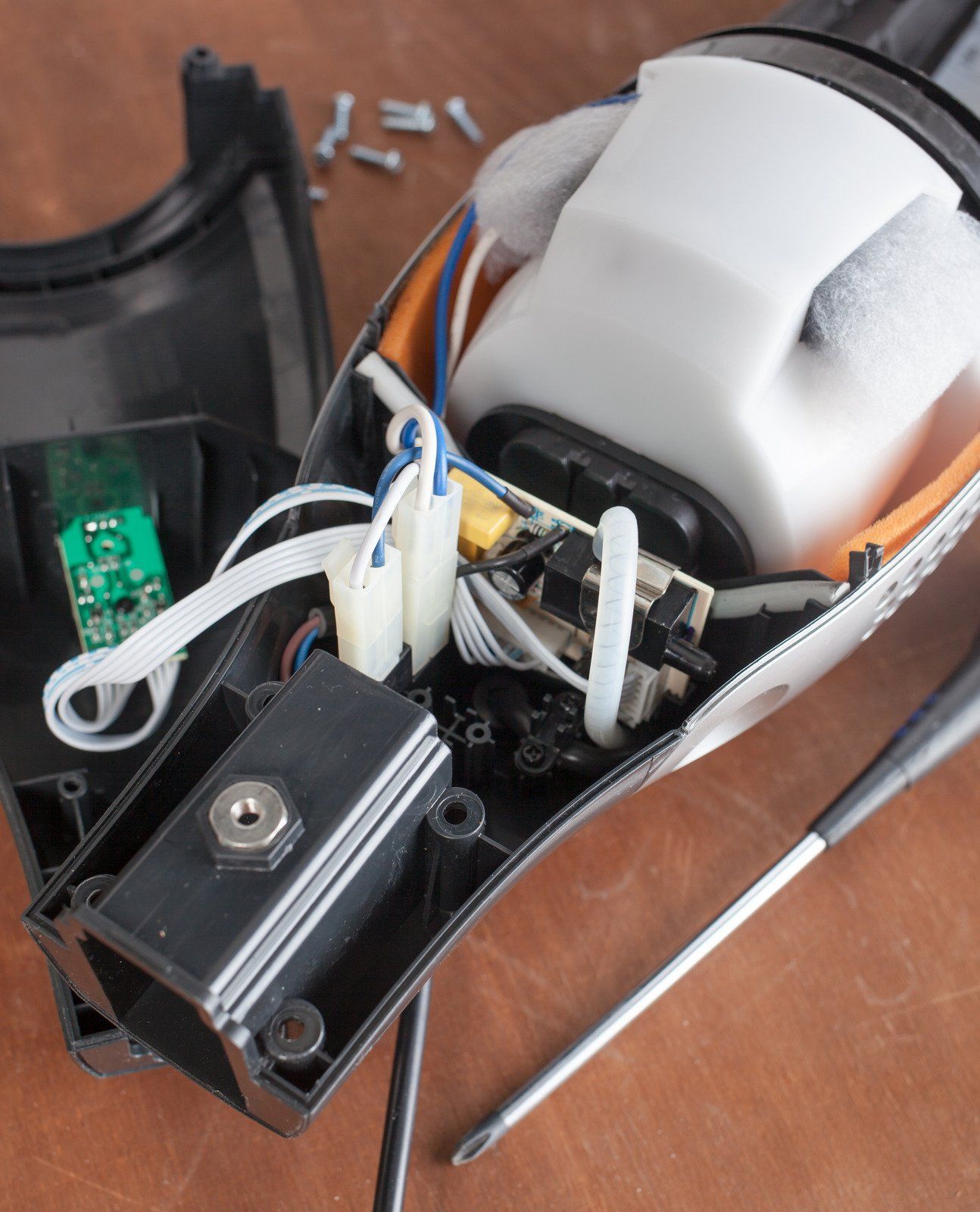
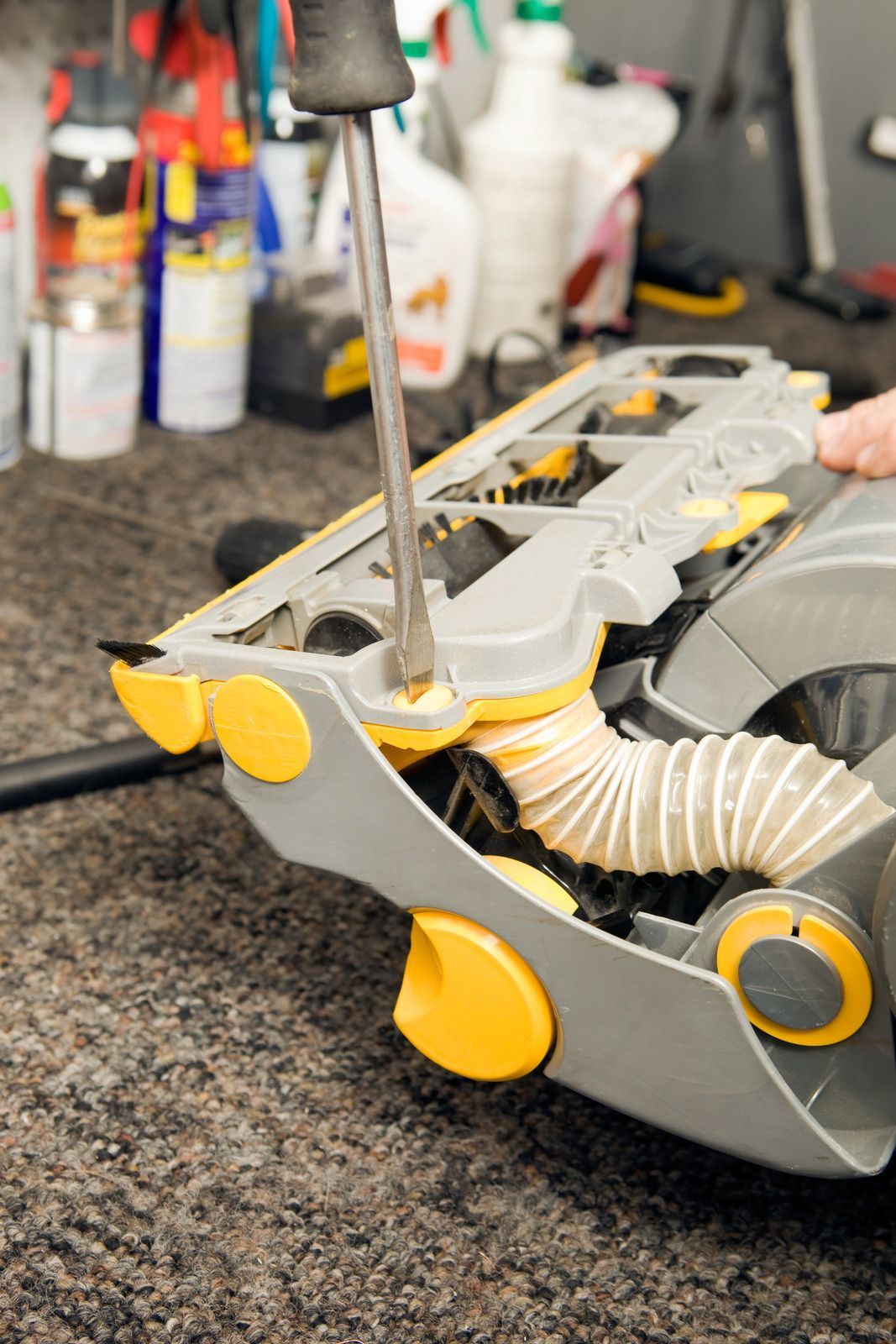
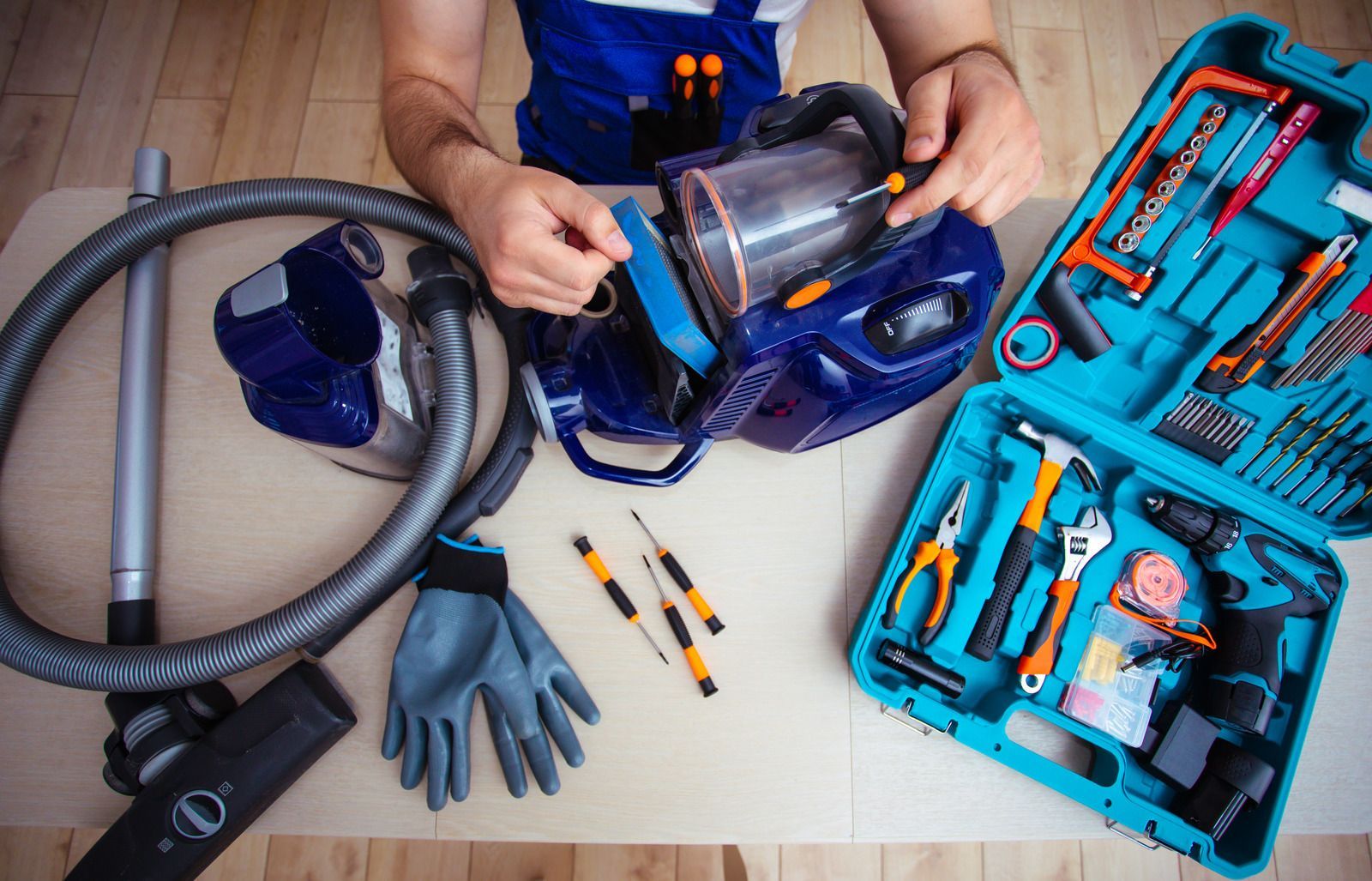
When it comes to maintaining peak performance and extending the life of any vacuum system, expert service and guidance make a measurable difference. At The Central Vac Shoppe, we bring specialized knowledge and hands-on experience to every aspect of vacuum care, from diagnostics and repairs to system optimization. With a focused approach rooted in industry expertise, we help homeowners protect their investment and ensure consistent, reliable cleaning performance over time.
As a dedicated vacuum cleaner repair shop serving Galesburg, Michigan, we understand the nuances of both central
vacuum systems
and portable units. Our experience allows us to identify issues quickly, recommend practical solutions, and deliver service that prioritizes efficiency and durability. With 7
years of industry experience, we have built a reputation for precision, reliability, and customer-focused results. Our commitment goes beyond repairs—we provide insights that help homeowners make informed decisions, prevent recurring issues, and maximize the value of their vacuum systems. Whether upgrading equipment or maintaining an existing setup, we ensure every solution supports long-term performance and everyday convenience.