5 Signs It’s Time for a New Central Vacuum Installation
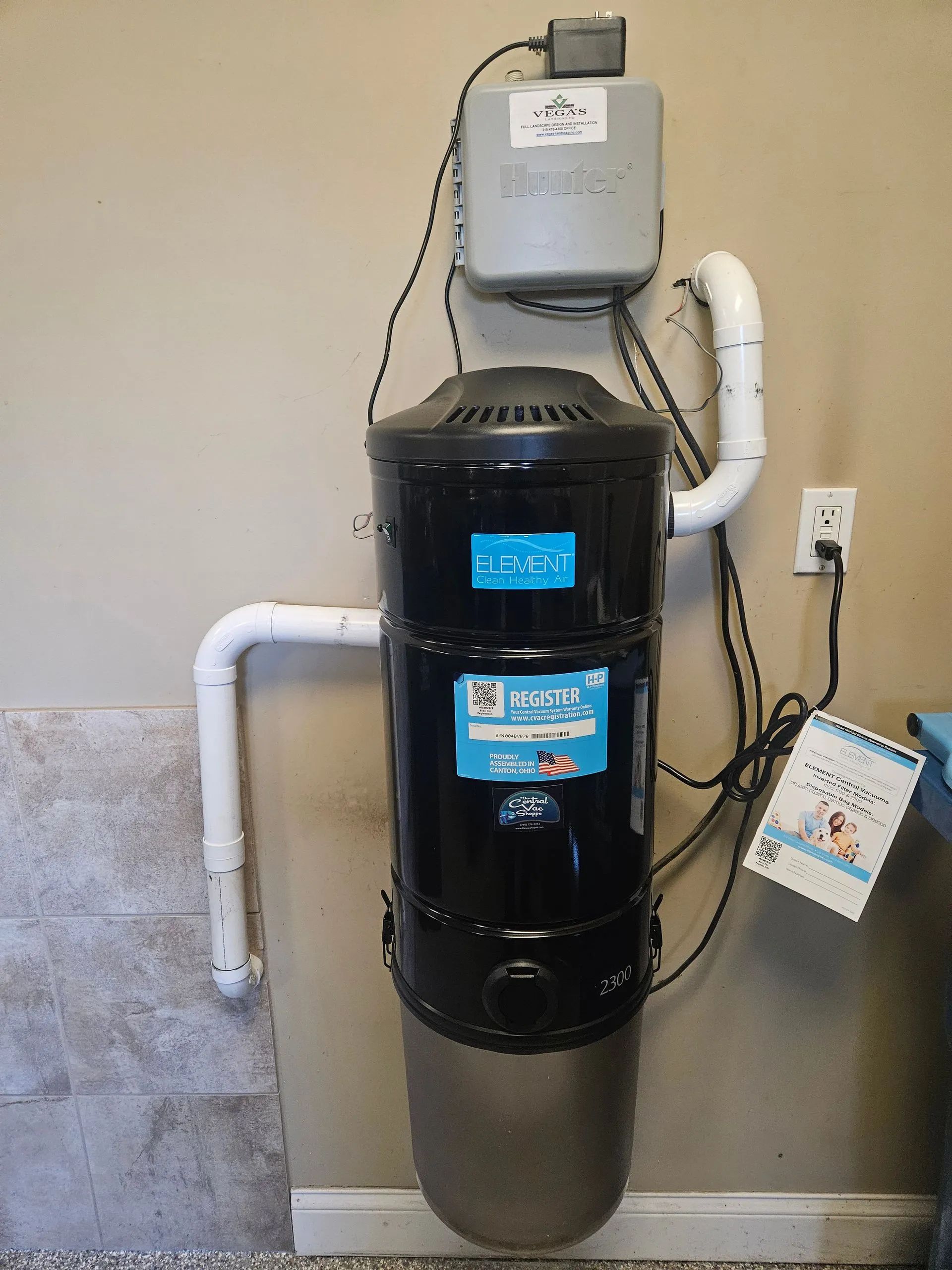
Central vacuum systems have become a hallmark of convenience and efficiency in modern homes. Unlike traditional portable vacuums, these systems offer superior suction power, quieter operation, and the ability to maintain cleaner indoor air. They integrate seamlessly into a building’s infrastructure, allowing homeowners to enjoy effortless cleaning without lugging around heavy equipment. However, like any home appliance, central vacuum systems have a lifespan, and performance can degrade over time. Ignoring the signs of a failing system can lead to costly repairs, reduced cleaning efficiency, and frustration for homeowners.
Understanding when it’s time to consider a new central vacuum installation is crucial for maintaining a clean, healthy living environment. Whether you’re experiencing decreased suction, unusual noises, or frequent clogging, recognizing these indicators early can save you time and money. This guide explores five key signs that your central vacuum system may need a replacement, offering practical advice and insights to help homeowners make informed decisions. By identifying these warning signals and understanding their implications, you can ensure your home remains spotless and your cleaning routine remains stress-free.
1. Decreased Suction Power
Recognizing Reduced Performance
One of the most common signs that a central vacuum system is aging is a noticeable decrease in suction power. If your vacuum takes longer to clean carpets or hard floors, or if it fails to pick up debris efficiently, it’s a red flag. Over time, dust, dirt, and hair can accumulate in the tubing, filters, and motor, reducing airflow and suction.
Common Causes of Low Suction
Several factors can lead to diminished performance:
- Clogged Tubing: Debris stuck in pipes reduces airflow and suction efficiency.
- Worn Motor Components: Motors lose power after years of continuous use.
- Dirty or Damaged Filters: Filters that are clogged or damaged prevent proper airflow.
Expert Tip
Regular maintenance can prolong your system’s life, but persistent low suction often indicates that a replacement is more cost-effective than repeated repairs. Professional technicians can evaluate whether a new system will provide significant performance improvements.
2. Frequent Clogging and Blockages
Understanding System Clogs
Another clear indicator that a central vacuum system may be nearing the end of its useful life is frequent clogging. When the vacuum system is prone to repeated blockages, cleaning becomes frustrating and time-consuming. This issue can occur in older systems where the tubing has narrowed due to wear or where the design no longer accommodates modern cleaning needs.
Signs of a Clogged System
- Hoses and Inlets Frequently Jam: You may notice debris backing up into the hose or inlet.
- Dust Escaping into the Home: A clogged system can push dust back into living spaces rather than collecting it.
- Frequent Maintenance Calls: Constantly needing professional servicing is a strong indicator that replacement may be necessary.
Real-World Scenario
Homeowners with larger properties often experience frequent clogs as their systems struggle to handle higher volumes of debris. Upgrading to a modern central vacuum system designed for higher capacity can prevent these issues and provide smoother operation.
3. Unusual Noises or Motor Strain
Identifying Abnormal Sounds
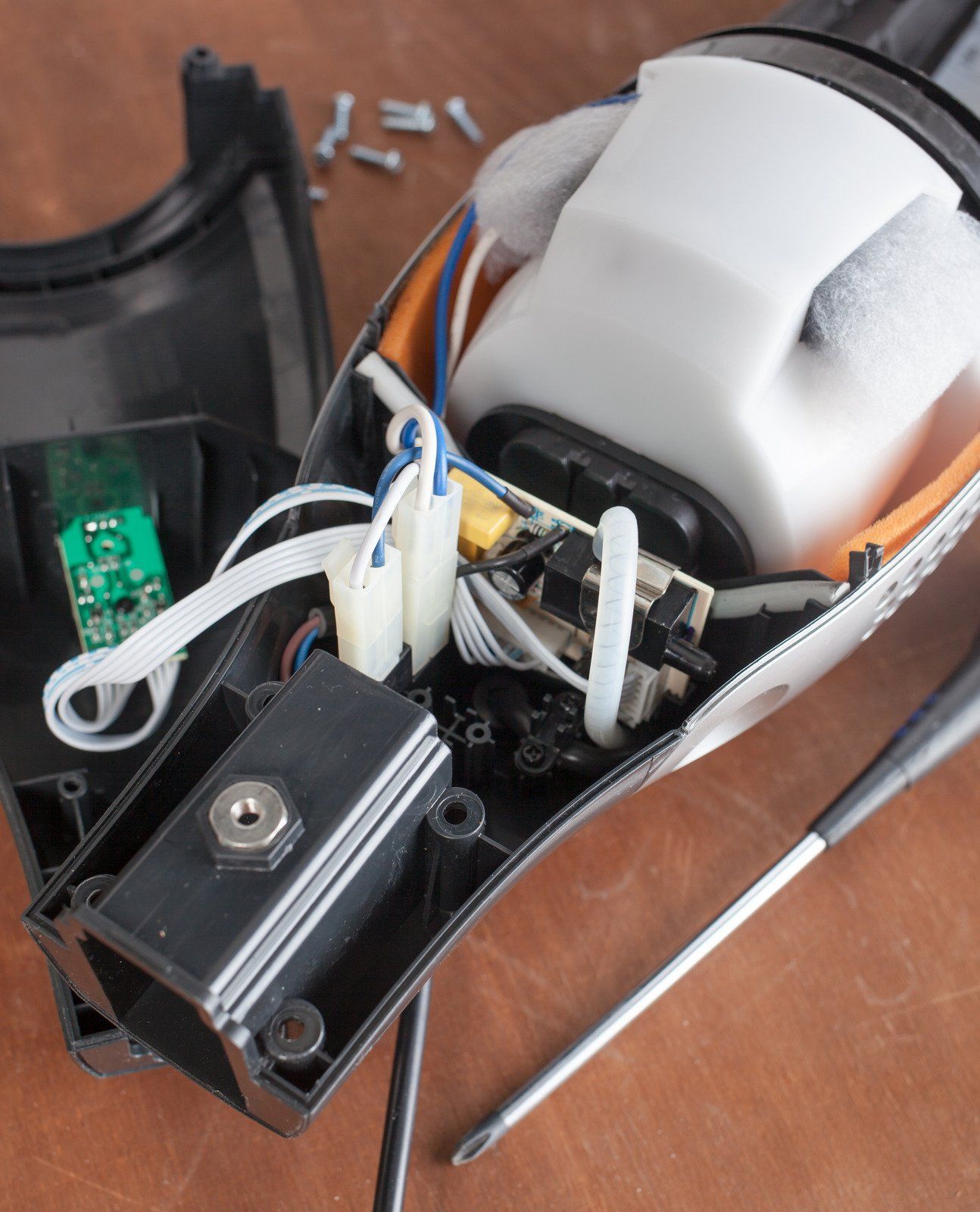
If your central vacuum starts producing loud, grinding, or rattling noises, it may be a sign of mechanical strain. These sounds often indicate motor fatigue or internal component wear. Continuing to operate a vacuum in this state can cause further damage and increase repair costs.
Causes of Noise
- Motor Wear: Bearings, brushes, and other motor components degrade over time.
- Loose or Damaged Parts: Internal components may shift or loosen, producing unusual sounds.
- Obstructed Airflow: Blockages in the system can put extra strain on the motor, amplifying noise levels.
Best Practices
Regular inspections by a certified technician can identify the source of abnormal noises. If the motor is significantly worn or multiple components are failing, installing a new central vacuum system is often the most practical solution. This not only restores quiet operation but also ensures consistent cleaning performance.
4. Increased Energy Consumption
Why Energy Efficiency Matters
Older central vacuum systems may consume more electricity as they age. Motors working harder to compensate for wear, clogged pipes, or reduced suction lead to higher energy bills. Modern central vacuum systems are designed with energy-efficient motors and improved airflow, delivering stronger suction while using less power.
Indicators of High Energy Use
- Rising Electricity Bills: Unexpected increases without other appliance changes may indicate vacuum inefficiency.
- Frequent Motor Cycling: Older systems may run longer or struggle to maintain suction.
- Overheating: Continuous motor operation due to inefficiency can cause overheating, triggering safety concerns.
Expert Insight
Replacing an outdated system with a high-efficiency central vacuum can significantly reduce energy consumption and operating costs. Homeowners often recover the investment through energy savings over time, in addition to improved cleaning performance.
5. Outdated Technology and Lack of Features
Evolving Central Vacuum Designs
Even if your system is functioning, it may lack modern features that enhance convenience and cleaning efficiency. Today’s central vacuum systems include improvements such as:
- HEPA Filtration: Captures fine dust, allergens, and pollutants, improving indoor air quality.
- Quieter Operation: Modern systems operate at significantly lower noise levels.
- Power Heads and Specialized Attachments: Designed for various surfaces and tasks, increasing cleaning versatility.
Challenges of Aging Systems
Older models may not accommodate contemporary attachments or flooring types. Additionally, replacement parts for legacy systems can be scarce, costly, and difficult to install.
Value of Upgrading
Investing in a new central vacuum installation provides access to advanced filtration, energy-efficient motors, and convenient attachments. Homeowners benefit from improved performance, reduced maintenance, and a more hygienic home environment.
6. How to Decide Between Repair and Replacement
Assessing System Age and Condition
When evaluating whether to repair or replace, consider the system’s age, frequency of repairs, and overall performance. Central vacuum systems typically last 15–25 years, depending on usage and maintenance. If your system is approaching this age or exhibits multiple signs of decline, replacement is often more cost-effective than repeated repairs.
Cost-Benefit Analysis
- Repair: Short-term savings but may involve ongoing maintenance.
- Replacement: Higher upfront cost but longer-term reliability, improved performance, and energy efficiency.
Professional Consultation
Consulting a certified installer or technician is critical. Professionals can assess the system, provide cost estimates for repair versus replacement, and recommend a solution that best fits the homeowner’s needs.
7. Real-World Benefits of a New Central Vacuum
Enhanced Cleaning Efficiency
New systems provide consistent suction across all floors and surfaces, reducing cleaning time and effort. Advanced designs accommodate high-volume debris and modern flooring materials.
Improved Indoor Air Quality
Modern central vacuums with HEPA filtration capture fine particles, allergens, and dust mites, reducing respiratory irritants and promoting a healthier living environment.
Long-Term Reliability
Installing a new system eliminates frequent repairs and maintenance headaches. Components are designed to last longer, with warranties providing added peace of mind.
Value Addition for Homeowners
A new central vacuum installation can enhance property value. Potential buyers often appreciate the convenience, efficiency, and hygiene benefits of a modern system, making the home more attractive on the market.
8. Common Misconceptions About Replacement
“My Old System Still Works”
Functioning doesn’t always mean optimal. Older systems may appear operational but struggle with suction, airflow, or energy efficiency.
“Repairs Are Cheaper”
Frequent small repairs can accumulate, often exceeding the cost of a new system. Replacing an aging system can be a smarter financial decision in the long term.
“Installation is Disruptive”
Modern installations are streamlined, with minimal disruption to the home. Professional technicians can often integrate new systems into existing infrastructure efficiently.
Expert Recommendation
Homeowners should weigh performance, efficiency, and long-term value rather than relying solely on visible functionality. A well-timed replacement ensures better cleaning outcomes and long-term satisfaction.
9. Making the Transition Smooth
Planning the Installation
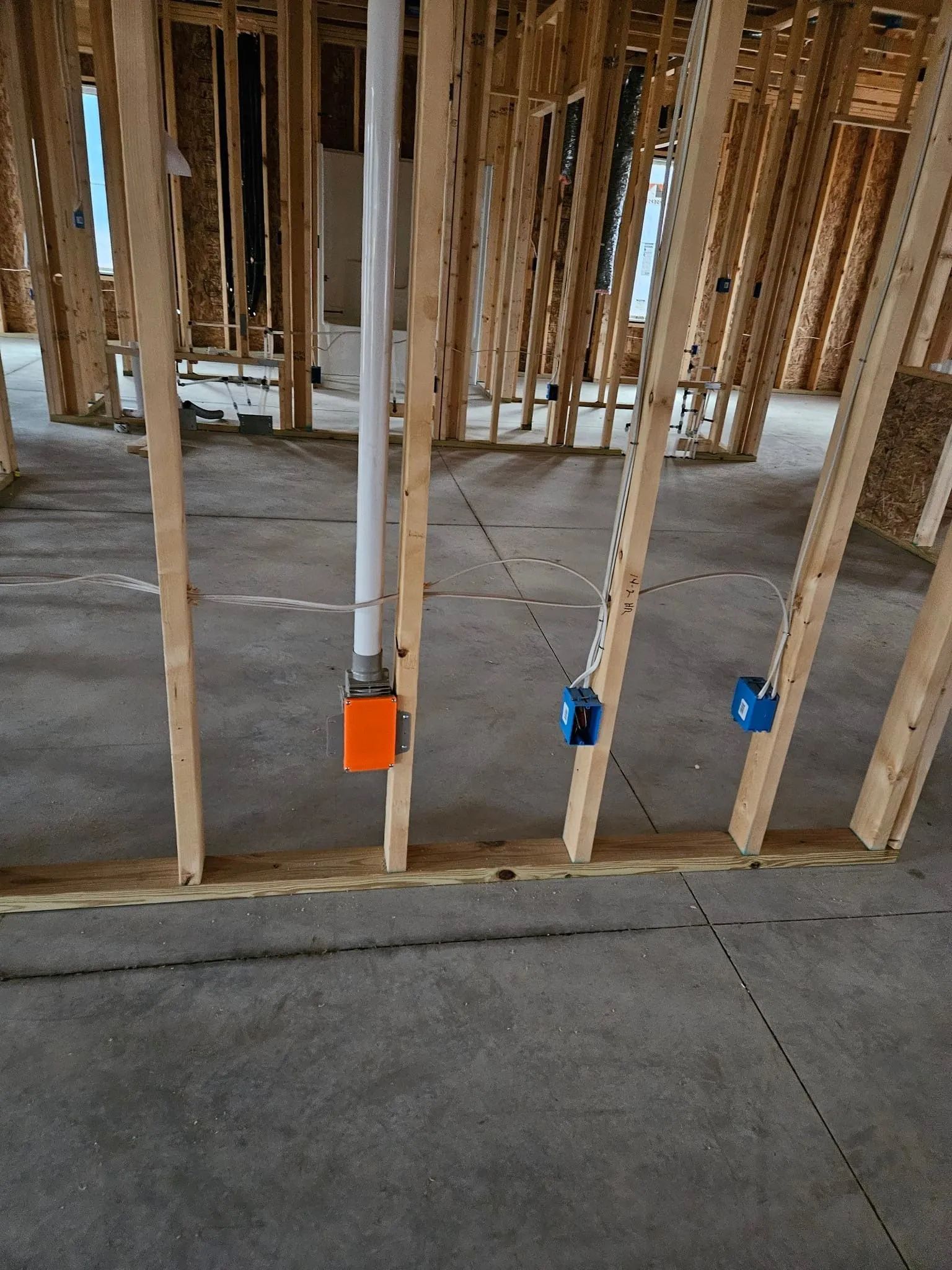
Select a reputable installer, determine optimal inlet placement, and choose a system suitable for your home’s size and cleaning needs. Consider features like motor power, filtration type, and specialized attachments.
Preparing the Home
Clear access areas and plan for potential minor modifications in walls or basements. Discuss noise levels, placement of the power unit, and duct routing with the installer.
Post-Installation Best Practices
- Test suction and check each inlet for proper airflow.
- Familiarize yourself with attachments and cleaning routines.
- Schedule regular maintenance to extend the system’s lifespan and ensure consistent performance.
10. Expert Advice for Long-Term Maintenance
Routine Cleaning
Regularly empty the dirt canister, clean filters, and inspect hoses to prevent performance loss.
Professional Servicing
Schedule periodic check-ups to monitor motor performance, tubing integrity, and filtration efficiency. Early detection of potential issues prolongs system life.
Upgrades and Add-Ons
Modern attachments, power heads, and advanced filtration options can be integrated over time, keeping the system effective and versatile.
Expert Guidelines for Long-Term Vacuum Performance Maintenance
Recognizing the signs of a declining central vacuum system is essential for homeowners who value efficiency, hygiene, and convenience. Decreased suction, frequent clogs, unusual noises, rising energy use, and outdated features are strong indicators that a replacement may be necessary. Taking proactive steps to install a new system ensures long-term reliability, enhanced cleaning performance, and improved indoor air quality.
For homeowners in Galesburg, Michigan, The Central Vac Shoppe provides
expert guidance and professional central vacuum installation services. With seven years of experience, the company has helped countless clients upgrade their cleaning systems efficiently and effectively. Their knowledgeable team evaluates existing systems, recommends the most suitable solutions, and ensures a smooth, professional installation. Committed to customer satisfaction and quality workmanship, The Central Vac Shoppe is a trusted partner for homeowners seeking reliable, long-lasting central vacuum solutions. Investing in a new system not only improves your home’s cleanliness but also enhances convenience, energy efficiency, and overall comfort.